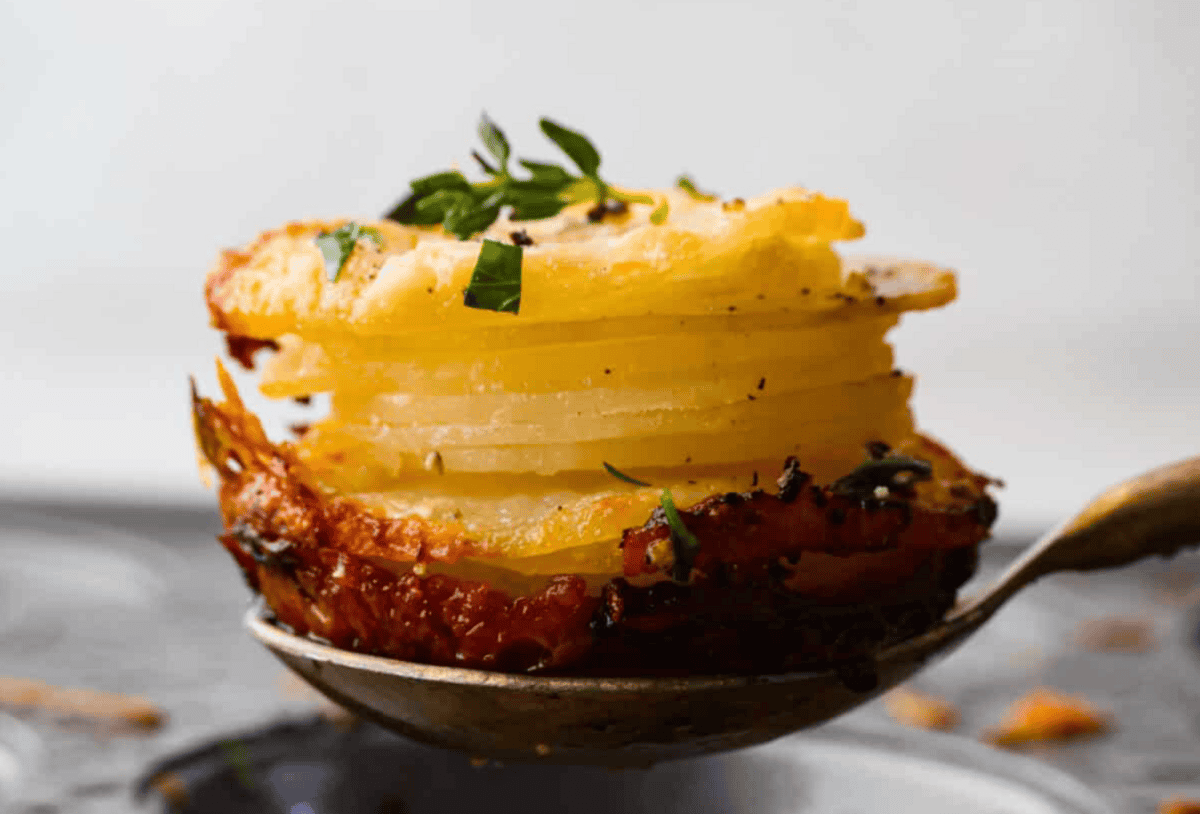
How to Make Perfect Crispy Potato Stacks Every Time
There's something undeniably magical about a perfectly crispy potato side dish. While many forms of potato delight exist, none quite capture the elegant rustic charm and satisfying crunch of well-made
potato stacks. These individual portions, meticulously layered and baked to a golden-brown crisp, can transform any meal into a gourmet experience. Far from being overly complicated, creating these culinary gems is a skill anyone can master with the right approach and a few expert tips. This comprehensive guide will walk you through every step, ensuring your
potato stacks are gloriously crispy and bursting with flavor, every single time.
The Foundation: Choosing Your Potatoes for Crispy Perfection
The journey to perfect crispy
potato stacks begins not in the oven, but in the produce aisle. The type of potato you select plays a crucial role in the final texture and crispiness of your dish.
- High-Starch Heroes (Russet/Baking Potatoes): If ultimate crispiness is your goal, Russet potatoes are your best friend. Their high starch content and low moisture means they break down beautifully during cooking, releasing starches that create an incredibly crispy exterior while maintaining a fluffy interior. This is the classic choice for a reason – the starch reacts wonderfully with heat, creating that desirable crunchy crust.
- All-Purpose Performers (Yukon Gold): For a slightly creamier interior with a good crisp exterior and a rich, buttery flavor, Yukon Golds are an excellent alternative. They have a medium starch content and hold their shape well, offering a delightful balance between crispness and tenderness.
- What to Avoid: Waxy potatoes like red bliss or new potatoes are generally not recommended for potato stacks aiming for crispiness. While they hold their shape beautifully, their high moisture and low starch content mean they tend to stay firm and creamy, rather than developing that desired crunchy crust.
Expert Tip: Always opt for firm, blemish-free potatoes. Larger potatoes are often easier to slice uniformly, which is a critical step we’ll cover next. Before slicing, ensure your potatoes are thoroughly washed and scrubbed to remove any dirt. Peeling is optional, depending on your preference; the skin can add a rustic look and extra nutrients, but ensure it's very thin if you choose to keep it.
Mastering the Slice: Precision for Optimal Crispiness
Uniformity is not just a suggestion; it's a requirement for achieving consistent crispiness in your
potato stacks. Uneven slices will cook at different rates, leading to some parts being burnt and others undercooked, ruining the overall texture.
- The Mandoline Advantage: For ultra-thin, consistent slices, a mandoline is your best tool. It allows you to quickly and safely achieve paper-thin slices (typically 1/16 to 1/8 inch or 1.5mm to 3mm thick) that are crucial for even cooking and maximum crispiness. Always use the safety guard to protect your fingers!
- Food Processor Efficiency: If you're making a large batch of potato stacks, a food processor with a slicing disc can save significant time. While it might not achieve quite the same delicacy as a mandoline, it's excellent for consistent, thin slices.
- Sharp Knife Skill: If a mandoline or food processor isn't available, a very sharp chef's knife and a steady hand can get the job done. Take your time, focus on consistency, and aim for slices as thin as a coin.
The Starch Debate – To Rinse or Not to Rinse?
Many recipes for crispy potatoes suggest rinsing away excess starch. For potato stacks, a quick rinse of the sliced potatoes under cold water is beneficial. This helps remove surface starch that can lead to a gluey texture. However, the internal starch is vital for crisping. After rinsing, the most crucial step is to
thoroughly dry the potato slices using a clean kitchen towel or paper towels. Any residual moisture will steam the potatoes rather than crisp them, hindering your goal of perfect
potato stacks.
Flavor & Fat: Building Layers of Deliciousness
Once your potatoes are perfectly sliced and dried, it's time to infuse them with flavor and prepare them for layering. The combination of seasonings and fat is what elevates simple potato slices into extraordinary
potato stacks.
- The Seasoning Symphony: Salt is non-negotiable; it draws out moisture and enhances flavor. Beyond that, consider:
- Classic: Freshly ground black pepper, garlic powder, onion powder.
- Herby: Dried thyme, rosemary, or a touch of sage.
- Spicy: A pinch of paprika or cayenne for a subtle kick.
- Umami Boost: A tiny sprinkle of nutritional yeast or grated Parmesan cheese (if not strictly vegan).
Toss your potato slices gently with your chosen seasonings in a large bowl, ensuring every piece gets coated.
- The Fat Factor: Fat is crucial for crisping and flavor.
- Melted Butter: The classic choice for its rich, creamy flavor that complements potatoes beautifully.
- Olive Oil: A lighter alternative, offering a fruity note and excellent crisping properties.
- Duck Fat: For an indulgent, deeply savory flavor and incredible crispness.
You’ll need enough fat to lightly coat each slice, typically by tossing them in the melted butter or oil after seasoning.
- The Binding Element (Optional, but Recommended): A little liquid can help bind the layers and keep the potato stacks moist internally while crisping externally. A splash of heavy cream, chicken or vegetable broth, or even just milk, poured over the stacks before baking, works wonders. It ensures the stacks don't dry out and helps them hold their shape once cooked.
- Layering Technique: This is where the "stack" comes in!
- Use muffin tins or individual ramekins for perfectly portioned potato stacks.
- Lightly grease your baking vessel to prevent sticking.
- Begin layering your seasoned and fat-coated potato slices, overlapping them slightly in a circular pattern, building upwards. Pack them relatively tightly but don't compress them excessively at this stage.
- Continue layering until the tin is full, or slightly mounded, as the potatoes will shrink during baking.
For more creative seasoning ideas and techniques to truly make your potato stacks sing, be sure to read our article:
Unlock the Flavor: Top Tips for Amazing Potato Stacks.
The Bake: Temperature, Time, and Techniques for Ultimate Crispiness
The oven is where the magic truly happens, transforming delicate potato slices into robust, crispy
potato stacks. Achieving that perfect crunch requires careful attention to temperature and time.
- Preheat Properly: Always preheat your oven thoroughly. A common temperature range for crispy potato stacks is 375-400°F (190-200°C). High heat encourages the Maillard reaction, responsible for browning and crisping.
- The Two-Stage Bake:
- Initial Covered Bake (Softening): Cover your muffin tins or ramekins loosely with aluminum foil. This traps steam, allowing the potatoes to cook through and soften without burning the exposed edges. Bake for approximately 25-35 minutes, depending on the thickness of your slices and the density of your stacks.
- Uncovered Bake (Crisping): Remove the foil. This is where the magic of crisping happens! Continue baking for another 20-40 minutes, or until the tops are deeply golden brown and incredibly crispy. Keep an eye on them to prevent over-browning.
- The Pressing Technique (Optional, but Effective): For ultra-compact and crispy potato stacks, some chefs recommend pressing them down during the uncovered baking stage. You can do this by placing a second baking sheet or a heavy, oven-safe object over the stacks for the last 15-20 minutes of baking. This helps expel moisture and ensures better contact between layers for a more solid, crispy result.
- Don't Rush the Release: Once baked to perfection, resist the urge to immediately unmold your potato stacks. Let them cool in their tins for 5-10 minutes. This allows them to set, firm up, and become easier to remove without falling apart. A gentle run around the edges with a thin knife or spatula can help if they're particularly snug.
For more reasons to include these delightful potato dishes in your next meal, explore our insights on
Elevate Your Dinner: Why Potato Stacks are a Must-Try.
Conclusion
Making perfect crispy
potato stacks is a culinary art that combines careful selection, precise technique, and a touch of patience. By following these comprehensive steps—from choosing the right potato and mastering the slice, to layering with flavor and baking to golden perfection—you're well on your way to creating a side dish that's sure to impress. Whether served alongside a roast, steak, or even as a standalone appetizer, these elegant, crunchy delights promise a symphony of textures and flavors that will elevate any meal. Embrace the process, savor the aroma, and enjoy the unparalleled satisfaction of truly perfect, crispy potato stacks.